Deep research and expert guides on maintaining your visual health.
AI in medicine
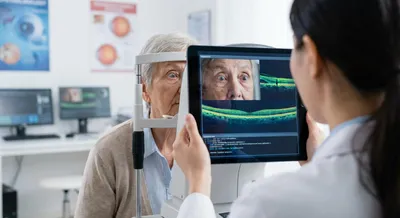
AI in medicine refers to using computer systems that can learn from data to help with medical tasks like diagnosing diseases, predicting outcomes, and suggesting treatments. These systems use techniques such as machine learning to find patterns in medical images, lab results, or patient records that might be hard for humans to spot. Examples include algorithms that read X-rays or retinal scans, tools that predict which patients are at risk of complications, and software that proposes drug candidates. AI can speed up routine work, reduce human error, and personalize care by tailoring predictions to each patient's data.
This matters because it can improve access to expert-level analysis in places without many specialists and make healthcare more efficient and consistent. However, AI systems are only as good as their data, so biased or incomplete datasets can lead to unfair or unsafe recommendations. Clinicians also need to understand and trust AI outputs, which creates a need for clear explanations, proper validation, and human oversight. Privacy and security of patient data are critical concerns when large datasets are used to train models. Regulation, clinical trials, and ongoing monitoring help make sure AI tools are safe and effective before they are widely adopted.