
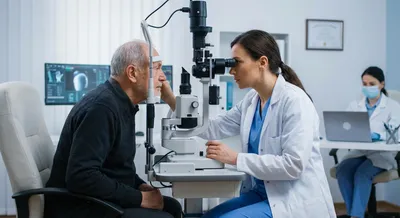
ER-100 Clinical Trial for Glaucoma: What We Know So Far and What to Expect
Another related condition, non-arteritic anterior ischemic optic neuropathy (NAION), causes sudden vision loss due to poor blood flow to the optic...
Deep research and expert guides on maintaining your visual health.
Another related condition, non-arteritic anterior ischemic optic neuropathy (NAION), causes sudden vision loss due to poor blood flow to the optic...
Epigenetic reprogramming is the process of changing the chemical marks and signals that sit on top of our DNA and control which genes are turned on or off. These chemical marks, such as DNA methylation and histone modifications, don’t change the genetic code itself but change how cells read that code. Reprogramming aims to reset those marks so a cell behaves more like a younger or different type of cell, restoring functions that had declined with age or disease. Scientists can nudge cells back to a more flexible state and then guide them to a desired identity or function by altering these epigenetic signals. This idea matters because many diseases and age-related declines arise from cells that have lost their normal patterns of gene activity, not from changes to the DNA sequence. If you can safely reprogram those marks, you could potentially repair damaged tissue, restore cell function, or reverse aspects of aging without changing the underlying genes. That makes it a powerful strategy for regenerative medicine, from treating degenerative eye conditions to repairing damaged organs. However, reprogramming carries risks, such as unwanted cell growth or incomplete conversion, and it requires precise control to avoid side effects. Because of those risks and the complexity of epigenetic regulation, researchers are proceeding carefully with lab studies and early clinical testing. Over time, the goal is to turn reprogramming into safe treatments that restore health by resetting cellular behavior rather than simply masking symptoms.