

Is Glaucoma Genetic
OPTN (optineurin) and TBK1 (TANK-binding kinase 1). These two genes are linked to normal‐tension glaucoma (NTG), a form of open-angle glaucoma that...
Deep research and expert guides on maintaining your visual health.
OPTN (optineurin) and TBK1 (TANK-binding kinase 1). These two genes are linked to normal‐tension glaucoma (NTG), a form of open-angle glaucoma that...
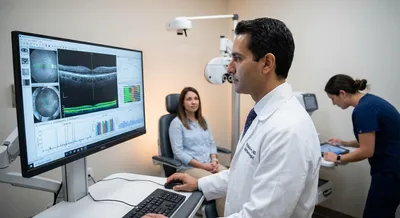
Early clinics have long tested for rare single-gene mutations (e.g. MYOC, OPTN) in families with juvenile or early-onset glaucoma (). But such...
Screen your peripheral vision from home — no downloads, no waiting rooms. Sign up for a free trial and test in under 5 minutes.
A polygenic risk score is a single number that estimates how likely someone is to develop a particular condition based on many small differences in their DNA. Instead of looking for one unusual gene that causes disease, this approach adds up the effects of hundreds or thousands of common genetic differences, each of which nudges risk a little higher or lower. Scientists create these scores by studying large groups of people and seeing which DNA differences are more common in those with a condition. The final score puts a person on a scale of relative risk compared with others, but it does not guarantee whether someone will or won't get the condition. That means a high score increases the chance but does not determine the outcome, and a low score does not mean zero risk. These scores can help identify people who might benefit from earlier monitoring, lifestyle changes, or preventive measures. However, their usefulness varies by condition and by the ancestry of the person tested, because most research so far has focused on certain populations. There are also questions about how to explain results to patients, how to protect genetic privacy, and how to avoid worsening health disparities. As research improves and includes more diverse groups, these scores may become more accurate and fair. For now, they are one piece of information that doctors can combine with family history, medical tests, and personal factors to guide care.