
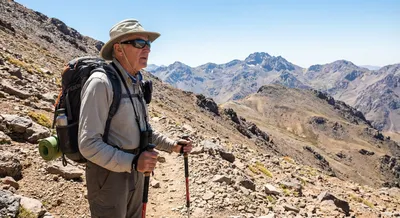
Hiking and Glaucoma: Terrain, Altitude, and Sun Exposure
However, hiking also brings challenges: long treks can lead to dehydration, strong sunlight, and difficult footing. Importantly for glaucoma...
Deep research and expert guides on maintaining your visual health.
However, hiking also brings challenges: long treks can lead to dehydration, strong sunlight, and difficult footing. Importantly for glaucoma...
Visual field loss from conditions like glaucoma can go unnoticed. Start a free trial and screen for potential blind spots in minutes.
High altitude refers to places that are significantly above sea level, where the air is thinner and contains less oxygen. People often consider elevations above about 2,400 meters (8,000 feet) as high enough to cause noticeable effects for many visitors. The lower oxygen level makes breathing harder, and your body must adjust through a process called acclimatization. Common symptoms of altitude sickness include headache, nausea, dizziness, fatigue, and trouble sleeping, and they can appear within hours of ascent. Most mild cases improve with rest and a slower climb, but severe forms like high-altitude pulmonary or cerebral edema are dangerous and require immediate descent and medical care. To reduce risk, ascend slowly, take rest days, stay well hydrated, eat light meals, and avoid alcohol and heavy exertion in the first days. Spending extra time at intermediate elevations gives your body a chance to adapt and greatly lowers the chance of problems. Certain medications can help prevent or treat symptoms, but they should be discussed with a healthcare provider before use. Fitness alone does not prevent altitude sickness; even fit people can be affected because the issue is about oxygen, not conditioning. Knowing the signs of trouble, having a plan to descend, and carrying communication tools are key safety measures for trips to high places. High-altitude environments also increase sun exposure and cold risk, so sun protection and proper clothing are important. With careful planning and respect for how your body responds, you can enjoy mountainous areas while minimizing health risks.