
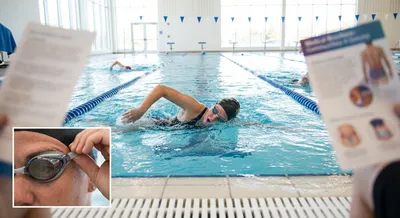
Lap Swimming and Glaucoma: Cardiorespiratory Benefits vs. Goggle and Head Position Issues
However, swimming has some unique eye-related factors. Tight-fitting goggles, the face-down posture of freestyle, and chlorinated pool water can...
Deep research and expert guides on maintaining your visual health.
However, swimming has some unique eye-related factors. Tight-fitting goggles, the face-down posture of freestyle, and chlorinated pool water can...
Our visual field test is inspired by the perimetry methods eye care professionals use. Check for blind spots and track changes over time.
Test Your VisionGoggles are protective eyewear designed to keep water out of your eyes while you swim and to improve underwater visibility. They usually have two lenses connected by a nose bridge, soft seals that sit around the eye, and an adjustable strap to hold them in place. By creating a watertight seal, goggles prevent irritation from chlorine, salt, or debris and let you see clearly so you can navigate and maintain good technique. Different styles include low-profile racing models, larger recreational designs for comfort, and prescription options for people who need vision correction. Anti-fog coatings and tinted or mirrored lenses help visibility in different light conditions and should be handled carefully to avoid scratches. A good fit matters a lot: goggles that are too tight can cause headaches, while loose ones will leak and distract you. Rinse them with fresh water after use, store them away from direct sun, and avoid touching the inner lens surface to preserve coatings. Choosing the right pair improves comfort, safety, and performance whether you are swimming for fitness, competition, or fun. For people who swim regularly, investing in a well-fitting, durable pair makes sessions more enjoyable and helps protect eye health.