
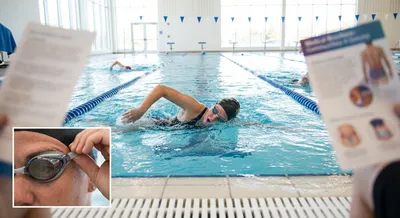
Lap Swimming and Glaucoma: Cardiorespiratory Benefits vs. Goggle and Head Position Issues
However, swimming has some unique eye-related factors. Tight-fitting goggles, the face-down posture of freestyle, and chlorinated pool water can...
Deep research and expert guides on maintaining your visual health.
However, swimming has some unique eye-related factors. Tight-fitting goggles, the face-down posture of freestyle, and chlorinated pool water can...
Blind spots often develop gradually without symptoms. Start a free trial and take a quick visual field test to spot changes early.
Find Out NowChlorinated water refers to water that has been treated with chlorine-based chemicals to kill bacteria, viruses, and other harmful microorganisms. It is the most common method used to keep swimming pools sanitary and reduce the risk of waterborne illness. Chlorine works by reacting with contaminants and preventing the growth of pathogens, but it can also react with sweat, urine, and cosmetics to form byproducts. Some of those byproducts, such as chloramines, are responsible for the familiar pool smell and can cause eye and skin irritation for some people. At appropriate concentrations, chlorinated water is effective and generally safe for most swimmers, though it may dry hair and sensitive skin or aggravate respiratory conditions in susceptible individuals. Pool operators must monitor and adjust chlorine concentration, pH, and other water chemistry factors to balance disinfection with swimmer comfort. Swimmers can reduce irritation by showering before entering the pool, wearing goggles, rinsing off after swimming, and using moisturizing products and swim-specific shampoos. Alternatives like saltwater systems, ozone, or ultraviolet treatment can reduce reliance on chlorine, but each option has trade-offs in cost and effectiveness. Understanding chlorinated water matters because it affects public health, pool maintenance, and the comfort of everyone who uses aquatic facilities, and informed choices help keep pools clean and safe.