
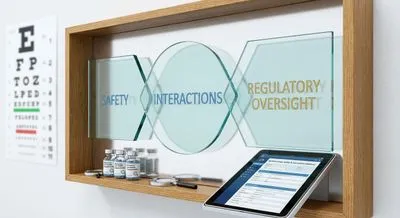
Safety, Interactions, and Regulatory Oversight of Glaucoma Supplements
Multiple supplements are promoted in glaucoma, often for their antioxidant or circulation effects. For example, Ginkgo biloba is thought to improve...
Deep research and expert guides on maintaining your visual health.
Multiple supplements are promoted in glaucoma, often for their antioxidant or circulation effects. For example, Ginkgo biloba is thought to improve...
Visual field loss from conditions like glaucoma can go unnoticed. Start a free trial and screen for potential blind spots in minutes.
Third-party testing means having an independent laboratory or organization check a product to confirm what is on the label and whether it is safe. It is done by a group that is not the company that made or sells the product, so the results are more likely to be unbiased. These tests can look for correct ingredients, strength, purity, contaminants like heavy metals or microbes, and whether the product actually does what it claims. For consumers, third-party testing gives extra confidence that a product meets basic safety and quality standards. It matters because not all products are regulated the same way, and manufacturers sometimes make mistakes or use poor-quality raw materials. A verified test can reveal problems before people use a product and help prevent harm. However, not all testing programs are equal, so it helps to know which labs or certifiers are recognized and what they check. Seeing a recognized seal or certificate from a reputable lab can be a helpful clue, but it’s still wise to read labels and consult a professional when needed. Overall, third-party testing is a practical tool for reducing risk and making better choices about what you buy and use.