
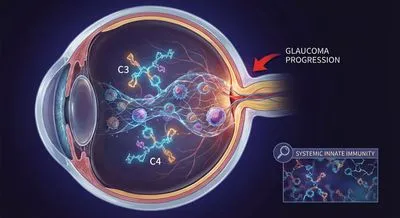
Complement proteins C3 and C4: systemic innate immunity and glaucoma progression
The complement system is part of innate immunity – the body’s rapid, non-specific defense against infections or damage. Complement consists of a...
Deep research and expert guides on maintaining your visual health.
The complement system is part of innate immunity – the body’s rapid, non-specific defense against infections or damage. Complement consists of a...
Innate immunity is the body's built-in first line of defense against germs and injury. It acts quickly, usually within minutes to hours, and responds to a wide range of threats in a general way rather than targeting a specific invader. Key parts include barriers like skin and mucous membranes, specialized cells such as neutrophils, macrophages and natural killer cells, and soluble proteins like complement. When these elements detect trouble they can engulf microbes, release chemical signals to recruit more immune cells, or cause inflammation to contain damage. Fever is also often part of this immediate response and can help slow down some infections. Innate immunity matters because it often stops infections before they can take hold and it helps shape the slower, more specific adaptive response that follows. Problems with this system can make a person more likely to get infections or cause excessive inflammation that harms healthy tissue. Many common lab tests and clinical signs are interpreted with an understanding of innate immune activity. Although it is less specific than adaptive immunity, its speed and breadth make it essential for everyday health and for recovery from injury. Scientists study innate immunity to develop new treatments and vaccines that better harness or calm this rapid response.