
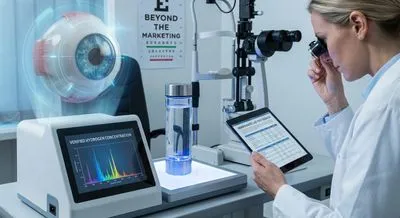
Beyond the Marketing: Which Hydrogen Water Bottles Have Verified Test Results?
Scientific studies of molecular hydrogen are still new and cautious. Some research suggests hydrogen-rich water may have antioxidant effects, but...
Deep research and expert guides on maintaining your visual health.
Scientific studies of molecular hydrogen are still new and cautious. Some research suggests hydrogen-rich water may have antioxidant effects, but...
Screen your peripheral vision from home — no downloads, no waiting rooms. Sign up for a free trial and test in under 5 minutes.
Independent lab results are the findings produced by a laboratory that operates separately from the maker or seller of a product. These labs use established methods and protocols to measure things like chemical levels, safety markers, or performance characteristics, and they report their observations in formal documents. Because the lab is independent, its results are seen as more objective and trustworthy than tests performed by interested parties. Good reports include details about how the testing was done, what instruments were used, and any uncertainties or limits in the measurements. Consumers and regulators can use these reports to verify claims, compare products, and make informed choices. Independent lab results also help hold manufacturers accountable and can prompt fixes when problems are found. It is useful when results are repeatable and available for review, so others can confirm the findings. Reading independent reports gives people a more accurate sense of a product’s true qualities and risks. In short, these results add transparency and strengthen confidence in product claims.