
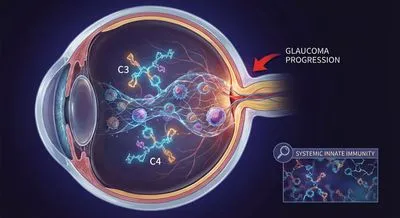
Complement proteins C3 and C4: systemic innate immunity and glaucoma progression
The complement system is part of innate immunity – the body’s rapid, non-specific defense against infections or damage. Complement consists of a...
Deep research and expert guides on maintaining your visual health.
The complement system is part of innate immunity – the body’s rapid, non-specific defense against infections or damage. Complement consists of a...
The complement system is a group of proteins and other molecules in the blood and tissues that work together to help the body defend itself from germs and clear damaged cells. It acts like a rapid response team that can identify invaders, mark them for removal, and directly help destroy them when needed. When activated, the system sets off a chain reaction in which one protein activates the next, amplifying the response so a small problem can be handled quickly. Its actions include tagging microbes so immune cells can find them more easily, promoting inflammation to attract defenders, and punching holes in the membranes of some pathogens to destroy them. There are several ways the system can be triggered, which lets it respond to a wide range of threats and situations. Besides fighting infection, it helps clean up dead cells and debris, which is important for tissue health and healing. When the system is out of balance—either too weak or too active—it can contribute to illness, including frequent infections or excessive inflammation and tissue damage. Because of its central role in immunity and cleanup, researchers and doctors often look at complement activity when diagnosing or treating certain immune and inflammatory conditions. New medicines that adjust complement activity are being developed, showing how understanding this system can lead to better treatments.