Deep research and expert guides on maintaining your visual health.
monitoring
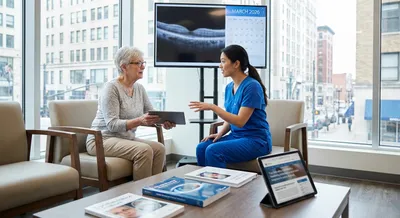
Monitoring means regularly checking a condition or situation over time to see how it is changing and whether action is needed. In health care, it involves scheduled tests, measurements, and observations so doctors and patients can tell if a disease is getting better, staying the same, or getting worse. For chronic eye conditions, monitoring might include measuring eye pressure, taking detailed images, testing vision, and tracking symptoms at set intervals. The purpose is to catch worrisome changes early so treatments can be started or adjusted before irreversible damage occurs. Good monitoring depends on consistent timing, reliable tests, and clear communication so both the patient and clinician understand the results and next steps. It matters because timely decisions based on monitoring results can prevent complications, protect function, and reduce the need for more aggressive treatments later. Monitoring can also reassure patients when their condition is stable and guide how often follow-up visits are needed. Technology and home-based tools are expanding how monitoring is done, but professional oversight remains important to interpret results and plan care.