
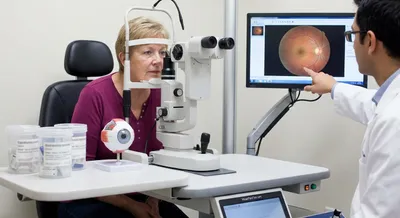
Glaucoma and Glutamine: Is There a Real Link Through Glutamate, Retinal Metabolism, and Neurodegeneration?
Neuron releases glutamate → Glial cell converts glutamate → glutamine → Glial cell sends glutamine back → Neuron converts glutamine back to...
Deep research and expert guides on maintaining your visual health.
Neuron releases glutamate → Glial cell converts glutamate → glutamine → Glial cell sends glutamine back → Neuron converts glutamine back to...
Blind spots often develop gradually without symptoms. Start a free trial and take a quick visual field test to spot changes early.
Find Out Now