
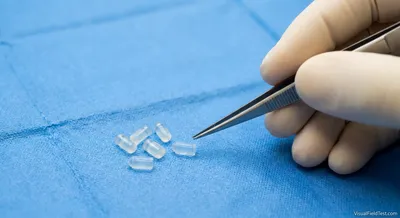
Sustained-release glaucoma implants
Ophthalmologists and researchers have long noted these challenges. Topical drops can work well if used perfectly, but in reality poor adherence and...
Deep research and expert guides on maintaining your visual health.
Ophthalmologists and researchers have long noted these challenges. Topical drops can work well if used perfectly, but in reality poor adherence and...
Visual field loss from conditions like glaucoma can go unnoticed. Start a free trial and screen for potential blind spots in minutes.
Glaucoma therapy means the different ways doctors treat glaucoma to protect the optic nerve and preserve vision. Since the main problem in glaucoma is high pressure inside the eye, many treatments focus on lowering that pressure. The most common approach is eye drops that reduce pressure by slowing fluid production or helping it drain more easily. If drops are not enough or not practical, doctors may use laser procedures to improve fluid outflow or perform surgery to create new drainage pathways. There are also implants that either help drain fluid or deliver medication over time, which can reduce reliance on frequent drops. Therapy choices depend on the type and severity of the condition, the patient’s overall health, and how well they follow treatment plans. Effective glaucoma therapy matters because early and proper treatment can prevent irreversible vision loss. Patients often need lifelong care, including regular eye exams to track pressure and nerve health, and adjustments in treatment when needed. Lifestyle steps, such as following medication schedules, managing other health issues, and protecting the eyes, can support medical treatments. All treatments have trade-offs, like side effects from medicines or risks from procedures, so choices should be made with clear information and follow-up. When therapy is tailored to the individual and monitored over time, many people with glaucoma can maintain useful vision for years.