
How Does the PreserFlo MicroShunt Stack Up Against Trabeculectomy and Other Drainage Devices?
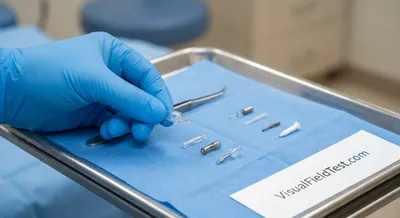
The PreserFlo MicroShunt (formerly InnFocus MicroShunt) is a small, ab-externally implanted glaucoma device made of a soft polymer...
Deep research and expert guides on maintaining your visual health.
The PreserFlo MicroShunt (formerly InnFocus MicroShunt) is a small, ab-externally implanted glaucoma device made of a soft polymer...
Blind spots often develop gradually without symptoms. Start a free trial and take a quick visual field test to spot changes early.
Find Out NowBleb-related glaucoma surgery is a type of eye operation that creates a small reservoir or blister on the surface of the eye to drain excess fluid and lower pressure inside the eye. The surgeon forms a new pathway that lets fluid leave the eye under the conjunctiva, producing a soft, elevated area called a bleb that acts like a tiny drainage pouch. This approach is used when eye drops and other treatments don’t control pressure well enough, because high pressure can damage the optic nerve and harm vision. The procedure can be done in several ways, including making a flap in the white part of the eye or implanting a tiny drainage device that encourages bleb formation. While blebs can successfully lower pressure for many years, they require follow-up because they can scar down, fail, or become too low-pressure. Bleb-related complications include infection of the bleb, prolonged low pressure, leaks, and changes to vision or eye comfort. Doctors monitor blebs closely and may treat problems with injections, minor adjustments, or additional surgery if needed. Patients often notice subtle changes around the bleb, such as a raised area or mild irritation, and should report redness, pain, or sudden vision changes right away. Knowing about this type of surgery matters because it is one of the most effective ways to protect vision when medical therapy alone is not enough, but it also needs careful post-operative care and awareness of possible risks.