
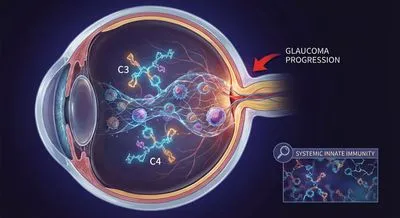
Complement proteins C3 and C4: systemic innate immunity and glaucoma progression
The complement system is part of innate immunity – the body’s rapid, non-specific defense against infections or damage. Complement consists of a...
Deep research and expert guides on maintaining your visual health.
The complement system is part of innate immunity – the body’s rapid, non-specific defense against infections or damage. Complement consists of a...
Screen your peripheral vision from home — no downloads, no waiting rooms. Sign up for a free trial and test in under 5 minutes.
An autoimmune disease is a condition in which the body's immune system mistakenly attacks its own healthy cells, tissues, or organs instead of defending against infections. Normally the immune system can tell the difference between foreign invaders and the body's own parts, but in autoimmune conditions this recognition fails and causes inflammation and damage. There are many different autoimmune diseases, and each one affects different parts of the body—some involve the joints, skin, nervous system, pancreas, or blood vessels. Symptoms vary widely depending on which body parts are targeted; common signs include fatigue, pain, swelling, rashes, and changes in organ function, which can come and go or steadily worsen. Doctors diagnose these conditions using a mix of medical history, physical exam, blood tests that detect specific antibodies, imaging scans, and sometimes tissue biopsies. Treatment usually focuses on calming the immune response and managing symptoms; common approaches include anti-inflammatory drugs, immune-suppressing medications, targeted biologic therapies, and lifestyle changes such as diet, exercise, and stress management. While some autoimmune diseases can be controlled well with current treatments, others can lead to long-term disability and require ongoing care and monitoring. Scientists believe autoimmune diseases arise from a mix of genetic predisposition and environmental triggers like infections, hormones, or certain chemicals, but the exact causes are still being studied. Understanding and recognizing these conditions matters because early diagnosis and proper treatment can prevent organ damage and improve quality of life, and because they affect millions of people worldwide. Ongoing research is improving diagnostic tests and creating more precise medicines that target specific parts of the immune system, offering hope for better outcomes in the future.