
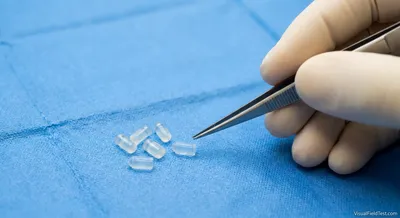
Sustained-release glaucoma implants
Ophthalmologists and researchers have long noted these challenges. Topical drops can work well if used perfectly, but in reality poor adherence and...
Deep research and expert guides on maintaining your visual health.
Ophthalmologists and researchers have long noted these challenges. Topical drops can work well if used perfectly, but in reality poor adherence and...
Visual field loss from conditions like glaucoma can go unnoticed. Start a free trial and screen for potential blind spots in minutes.
A glaucoma implant is a small medical device placed in or near the eye to help control the pressure inside the eye. It can be a tiny tube, a stent, or a reservoir that helps fluid drain or slowly releases medication where it is needed. The goal is to lower eye pressure, which is the main way to prevent damage to the optic nerve and loss of vision from glaucoma. Surgeons usually place these implants during a minor operation, often using local anesthesia so the patient feels little or no pain. Some implants work right away by creating a new drainage route, while others slowly leak medicine to keep pressure down over time. Materials used are chosen to be compatible with the eye so they cause minimal irritation and last as long as needed. Glaucoma implants matter because they offer alternatives when eyedrops aren’t enough or when patients have trouble using medicines every day. They can reduce the need for constant eye drops, improve control of pressure, and may slow the progression of vision loss. Like any procedure, implants carry risks such as infection, scarring, or the device moving out of place, so careful follow-up is important. When chosen and managed well, a glaucoma implant can be a long-term solution that helps people keep their sight and maintain a better quality of life.