
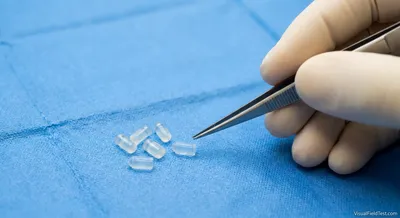
Sustained-release glaucoma implants
Ophthalmologists and researchers have long noted these challenges. Topical drops can work well if used perfectly, but in reality poor adherence and...
Deep research and expert guides on maintaining your visual health.
Ophthalmologists and researchers have long noted these challenges. Topical drops can work well if used perfectly, but in reality poor adherence and...
Blind spots often develop gradually without symptoms. Start a free trial and take a quick visual field test to spot changes early.
Find Out NowA sustained-release treatment is a way of giving medicine so it enters the body slowly and steadily over a long period instead of all at once. This approach uses special pills, gels, patches, or small devices that hold the drug and release it bit by bit. By keeping the medicine at a steady level, it can work more consistently and avoid the peaks and valleys that happen with regular dosing. That steady delivery can reduce how often someone needs to take a dose, which helps people who have trouble remembering pills. It also can reduce side effects that come from high short-term drug levels and can improve how well the treatment works. Sustained-release options are used for many conditions, from chronic pain and hormone issues to eye diseases and mental health problems. Choosing a sustained-release option matters because it can make daily life easier and treatments more reliable for people with long-term conditions. Doctors pick this kind of treatment when regular dosing is inconvenient, when steady drug levels are important, or when swallowing pills is difficult. There are some risks, such as reactions to the device or problems if the release rate changes, so people need follow-up care and monitoring. Overall, sustained-release treatment is a useful tool to improve adherence, reduce side effects, and deliver medicine in a more controlled way.