
Lap Swimming and Glaucoma: Cardiorespiratory Benefits vs. Goggle and Head Position Issues
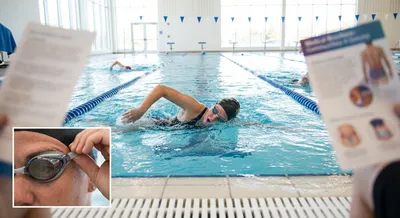
However, swimming has some unique eye-related factors. Tight-fitting goggles, the face-down posture of freestyle, and chlorinated pool water can...
Deep research and expert guides on maintaining your visual health.
However, swimming has some unique eye-related factors. Tight-fitting goggles, the face-down posture of freestyle, and chlorinated pool water can...
Screen your peripheral vision from home — no downloads, no waiting rooms. Sign up for a free trial and test in under 5 minutes.
Swimming is the act of moving through water using coordinated movements of the arms, legs, torso, and breathing. People swim in pools, lakes, rivers, and oceans for many purposes: exercise, relaxation, sport, or survival. There are several common ways to swim, such as freestyle, breaststroke, backstroke, and butterfly, each with its own technique and feel. Swimming is low-impact because the water supports your body, so it reduces stress on joints while still giving a strong cardiovascular workout. It builds strength, improves flexibility, and helps with balance and posture, making it a popular choice for people of all ages and fitness levels. Learning to breathe efficiently and maintain body alignment are two of the most important skills for comfortable, efficient swimming. Swimming also matters because it can be part of rehabilitation from injury and a safe form of exercise for those with chronic pain or mobility limits. It teaches valuable water safety skills and can be a social activity through classes, clubs, or races. Equipment like goggles, swim caps, and proper suits can make sessions more comfortable and productive. With regular practice, swimming can improve overall health, reduce stress, and provide lifelong enjoyment in and around water.