
Soy Foods, Phytoestrogens, and Glaucoma in Women
Glaucoma is roughly twice as common in older adults, and women make up a large portion of patients. Researchers have long noticed that female...
Deep research and expert guides on maintaining your visual health.
Glaucoma is roughly twice as common in older adults, and women make up a large portion of patients. Researchers have long noticed that female...
Track peripheral vision changes between eye doctor visits. Start your free trial and get results in under 5 minutes.
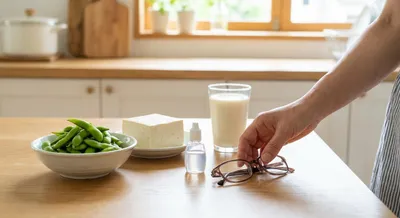
Phytoestrogens are naturally occurring plant compounds that can act like the hormone estrogen in the human body. They are not the same as the estrogen our bodies make, but their similar shape lets them weakly bind to estrogen receptors and sometimes block stronger hormones from attaching. You can find these compounds in a variety of foods, especially certain beans, seeds, and whole grains. Because they interact with hormone systems, they have been studied for their effects on bone health, heart health, and symptoms that come from changing hormone levels. People care about phytoestrogens because they may offer gentle benefits or risks depending on health status and life stage. For some, eating foods with these compounds can help reduce hot flashes or support bone strength after hormone changes. For others, especially those with certain hormone-sensitive conditions, it's important to be aware of how much they consume. Their effects vary a lot between individuals because of differences in digestion, gut bacteria, and overall diet. In general, getting phytoestrogens from whole foods is seen as different from taking concentrated supplements, and discussing use with a healthcare provider can help match choices to personal health needs.