
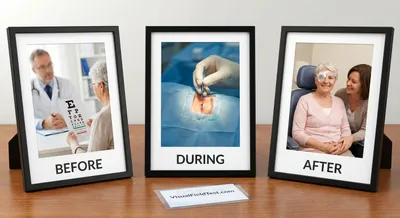
The Glaucoma Shunt Journey: What to Expect Before, During, and After Surgery
Why would a doctor suggest this? Usually, tube shunt surgery is a backup plan when more common treatments aren’t enough. If eye drops and laser...
Deep research and expert guides on maintaining your visual health.
Why would a doctor suggest this? Usually, tube shunt surgery is a backup plan when more common treatments aren’t enough. If eye drops and laser...

Figure: Handle the eye drop bottle carefully. Do not let the tip touch your eye or eyelid – this keeps the bottle sterile and prevents infection ().
Track peripheral vision changes between eye doctor visits. Start your free trial and get results in under 5 minutes.
Intraocular pressure control refers to managing the pressure inside the eye, which is created by a clear fluid called aqueous humor. That pressure changes when the eye makes more fluid than it drains, and when it stays too high it can damage the optic nerve and harm vision. Keeping this pressure in a healthy range is the main way doctors prevent or slow vision loss from conditions like glaucoma. Control can be achieved with medicines, eye drops, laser treatments, and sometimes surgery that either reduces fluid production or improves drainage. Regular testing of the pressure helps detect changes early so treatment can be adjusted before permanent damage occurs. Good control matters because the optic nerve is sensitive; small, sustained increases in pressure can gradually reduce peripheral and then central sight. People with a family history of certain eye diseases, specific medical conditions, or particular eye anatomy may need closer monitoring and more active management. Lifestyle steps—such as taking prescribed medicines on schedule and maintaining general health—can support pressure control but usually do not replace medical treatment. Patients should report sudden vision changes, eye pain, or severe headaches, which can be signs of dangerously high pressure needing urgent care. Managing pressure inside the eye is a long-term effort that balances testing, medicines, and procedures to protect vision over time.