
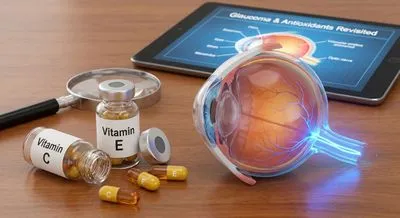
Vitamin C dan E dalam Glaukoma: Antioksidan Ditinjau Kembali
Tinjauan ini akan merangkum bukti—baik lama maupun baru—tentang vitamin C dan E dalam glaukoma. Kami akan melihat studi laboratorium dan hewan,...
Penelitian mendalam dan panduan ahli untuk menjaga kesehatan visual Anda.
Tinjauan ini akan merangkum bukti—baik lama maupun baru—tentang vitamin C dan E dalam glaukoma. Kami akan melihat studi laboratorium dan hewan,...
Tes lapang pandang kami terinspirasi oleh metode perimetri yang digunakan oleh profesional perawatan mata. Periksa bintik buta dan lacak perubahan seiring waktu.
Tes Penglihatan AndaDiet adalah pola makan sehari-hari yang mencakup jenis, jumlah, dan kombinasi makanan serta minuman yang dikonsumsi seseorang. Diet bukan hanya soal menurunkan atau menambah berat badan, melainkan juga tentang memberi tubuh nutrisi yang dibutuhkan untuk tumbuh, berfungsi, dan pulih. Pola makan yang seimbang memasukkan karbohidrat, protein, lemak sehat, vitamin, mineral, dan serat dalam proporsi yang sesuai untuk mendukung energi, pertumbuhan, dan sistem kekebalan tubuh. Pilihan makanan dipengaruhi oleh budaya, ekonomi, selera, dan kondisi kesehatan, sehingga diet sehat bisa berbeda antara individu. Diet yang baik membantu mencegah penyakit kronis seperti diabetes, penyakit jantung, dan defisiensi nutrisi, serta memengaruhi suasana hati dan tingkat energi sehari-hari. Prinsip praktisnya adalah makan beragam makanan utuh, mengurangi makanan olahan tinggi gula dan garam, menjaga porsi, serta cukup minum air. Jika ada kondisi medis atau tujuan khusus, berkonsultasi dengan tenaga kesehatan atau ahli gizi membantu merancang pola makan yang sesuai.