
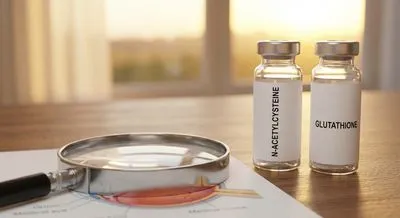
N-Asetilsistein dan Glutation: Memperkuat Pertahanan Antioksidan pada Mata yang Menua
N-Asetilsistein dan Glutation pada Mata yang Menua Penyakit mata terkait usia – termasuk glaukoma dan degenerasi retina – sebagian disebabkan oleh str...
Grundig forskning og ekspertguider for å opprettholde synshelsen din.
N-Asetilsistein dan Glutation pada Mata yang Menua Penyakit mata terkait usia – termasuk glaukoma dan degenerasi retina – sebagian disebabkan oleh str...
N-Acetilcisteína e Glutationa no Olho Envelhecido As doenças oculares relacionadas à idade – incluindo glaucoma e degeneração retiniana – são impulsio...
N-Acetylcysteine and Glutathione in the Aging Eye Age-related eye diseases – including glaucoma and retinal degeneration – are driven in part by oxida...
Giriş Glokom, retinal gangliyon hücresi (RGH) ölümü ve görme alanı kaybı ile karakterize ilerleyici bir optik nöropatidir (pmc.ncbi.nlm.nih.gov). Göz...
Introduzione Il glaucoma è una neuropatia ottica progressiva caratterizzata dalla morte delle cellule gangliari della retina (RGC) e dalla perdita del...
Bevezetés A glaukóma egy progresszív optikai neuropátia, amelyet a retinális ganglionsejtek (RGC) halála és látótérkiesés jellemez (pmc.ncbi.nlm.nih.g...
Introducere Glaucomul este o neuropatie optică progresivă caracterizată prin moartea celulelor ganglionare retiniene (CGR) și pierderea câmpului vizua...
Introducción El glaucoma es una neuropatía óptica progresiva caracterizada por la muerte de las células ganglionares de la retina (CGR) y la pérdida d...
Introdução O glaucoma é uma neuropatia óptica progressiva caracterizada pela morte de células ganglionares da retina (CGR) e perda do campo visual (pm...
Introduction Glaucoma is a progressive optic neuropathy marked by retinal ganglion cell (RGC) death and visual field loss (pmc.ncbi.nlm.nih.gov). Alth...
Pendahuluan Glaukoma adalah neuropati optik progresif yang ditandai dengan kematian sel ganglion retina (RGC) dan kehilangan lapang pandang (pmc.ncbi....
The retina is the thin layer of tissue that lines the back of the eye and turns light into the electrical signals your brain uses to form images. It contains millions of light-sensitive cells: rods for low-light and peripheral vision, and cones for color and fine detail, especially in the central area called the macula. When light hits these cells, chemical changes trigger nerve signals that travel along the optic nerve to the brain, where they become the pictures you see. Because the retina is metabolically active and exposed to light, it needs a steady blood supply and protective systems to prevent damage from oxidants and inflammation. Problems in the retina, such as age-related degeneration, diabetic changes, or inherited disorders, can seriously reduce vision or cause blindness. Early signs of trouble can include blurriness, dark spots, or changes in color perception, so regular eye checkups are important for detecting issues early. Maintaining overall health — controlling blood sugar, protecting eyes from excessive sunlight, not smoking, and eating a nutrient-rich diet — can help preserve retinal health. Advances in treatments, including medications, lasers, and nutrition-based approaches, can slow or sometimes reverse damage when detected in time.