
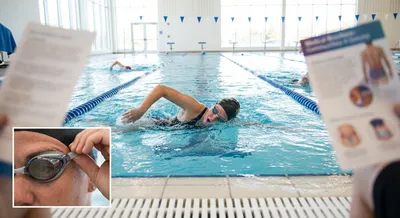
Lap Swimming and Glaucoma: Cardiorespiratory Benefits vs. Goggle and Head Position Issues
However, swimming has some unique eye-related factors. Tight-fitting goggles, the face-down posture of freestyle, and chlorinated pool water can...
Deep research and expert guides on maintaining your visual health.
However, swimming has some unique eye-related factors. Tight-fitting goggles, the face-down posture of freestyle, and chlorinated pool water can...

Early detection is crucial. By the time a typical visual field test catches glaucoma, roughly half of the retinal nerve cells (retinal ganglion...
Blind spots often develop gradually without symptoms. Start a free trial and take a quick visual field test to spot changes early.
Find Out NowA trabeculectomy is a traditional glaucoma operation that creates a new pathway for fluid to leave the eye, which lowers the pressure that can damage the optic nerve. During the surgery, a small flap and opening are made in the white part of the eye so fluid can drain into a pocket just under the surface; from there it is absorbed by nearby tissue. This procedure has been used for decades because it can produce larger and longer-lasting drops in eye pressure than many other treatments. It is often recommended when medications, lasers, or less invasive surgeries have not controlled pressure well enough. Recovery takes longer than for minimally invasive techniques, and the procedure carries risks such as infection, scarring that can block the new drainage route, or very low eye pressure that needs monitoring. Because of those risks, careful follow-up and sometimes additional procedures or medicines are needed after surgery to keep the drainage pathway working. Knowing about trabeculectomy matters because it remains a powerful option for preventing vision loss in people with more advanced or progressive glaucoma. If your doctor suggests this surgery, asking about expected benefits, possible complications, and the follow-up plan can help you make a confident decision.