
The Limitations of Visual Field Testing in Glaucoma: Frequency, Subjectivity, and What Gets Missed
Most glaucoma guidelines stress frequent monitoring, especially soon after diagnosis. For example, expert recommendations suggest newly diagnosed...
Deep research and expert guides on maintaining your visual health.
Most glaucoma guidelines stress frequent monitoring, especially soon after diagnosis. For example, expert recommendations suggest newly diagnosed...
Screen your peripheral vision from home — no downloads, no waiting rooms. Sign up for a free trial and test in under 5 minutes.
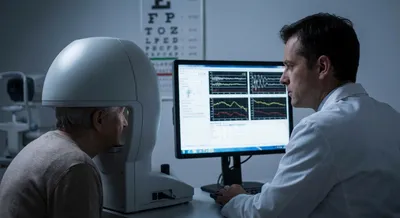
Test variability is the natural fluctuation in results when a medical test is repeated, so the same person can get slightly different numbers or outcomes from one exam to the next. This happens with many kinds of tests, including vision checks, pressure measurements, and imaging scans. Causes include how well the person focuses, fatigue, learning effects from repeated testing, differences in equipment or technique, and the time of day the test is done. Some level of variability is normal, but high variability can make it hard to tell whether a real change in health has occurred. In conditions that are monitored over time, confusing random variation with real progression can lead to overtreatment or undertreatment. Clinicians reduce the impact of variability by repeating tests, using standardized procedures, and checking reliability markers built into many exams. Combining different kinds of measurements—such as functional tests and structural scans—also helps confirm whether a change is real. Patients can help lower variability by following instructions carefully, getting enough rest before testing, and practicing tests when appropriate. Understanding and accounting for variability makes follow-up more accurate and helps both patients and doctors make better decisions about treatment. In short, recognizing that test results can wobble a bit prevents reading too much into one measurement and improves long-term care.