
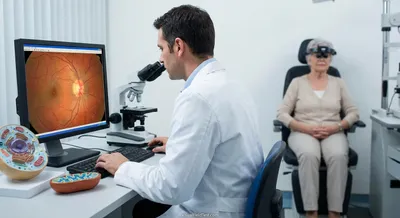
Är Glaukom en Sjukdom som Beror på Energibrist? Mitokondrier, Åldrande och Synnerven
Retinala ganglieceller är nervcellerna i ögat som skickar visuella signaler från näthinnan till hjärnan. De har ett särskilt högt energibehov. Till...
Djupgående forskning och expertguider för att upprätthålla din synhälsa.
Retinala ganglieceller är nervcellerna i ögat som skickar visuella signaler från näthinnan till hjärnan. De har ett särskilt högt energibehov. Till...

Inne i ögats näthinna fungerar speciella nervceller kallade retinaganglieceller (RGCs) som telefonledningar, och bär visuella signaler från ögat till...
Nervcell frisätter glutamat → Gliacell omvandlar glutamat → glutamin → Gliacell skickar tillbaka glutamin → Nervcell omvandlar glutamin tillbaka till...
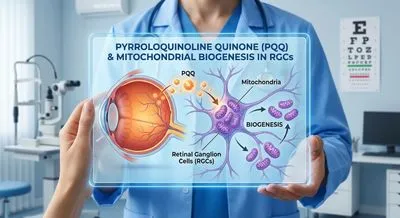
PQQ upptäcktes först som en kofaktor för vissa bakterieenzymer, men visade sig senare vara viktig i djurnäring. Eftersom djur inte kan producera PQQ...
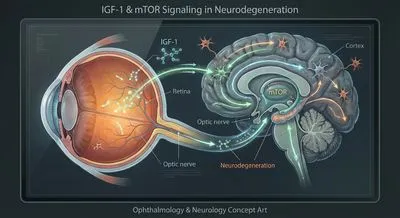
IGF-1 är ett litet proteinhormon nära besläktat med insulin. Det bildas i levern (och i vissa vävnader) under påverkan av tillväxthormon. I kroppen...
Spåra förändringar i perifert synfält mellan besök hos ögonläkare. Starta din gratis provperiod och få resultat på under 5 minuter.
Neurodegeneration betyder att nervceller gradvis förlorar sin funktion och i många fall dör över tid. Det är en process som drabbar olika delar av hjärnan eller ryggmärgen och leder till att de funktioner som dessa nervceller ansvarar för blir sämre. Symtomen beror på vilka nervceller som påverkas och kan vara minnesproblem, svårigheter med rörelser, förändrad talförmåga eller känselstörningar. Många kända sjukdomar, som vissa former av demens och rörelsestörningar, har neurodegeneration som grund. Orsakerna kan vara komplexa och innefatta genetiska faktorer, åldrande, miljöpåverkan och processer inne i cellerna som gör att de inte klarar normalt underhåll. Neurodegeneration är ofta progressiv, vilket betyder att problemen ökar med tiden, och skadorna är svåra att reparera fullt ut. Därför läggs mycket forskningskraft på att hitta metoder för att bromsa utvecklingen, skydda nervceller och förbättra livskvaliteten för drabbade. Förebyggande strategier som hälsosam livsstil, fysisk aktivitet och tidig upptäckt kan minska risken eller fördröja symtom hos vissa personer. För dem som lever med sjukdomar som orsakas av neurodegeneration är stöd, rehabilitering och anpassningar viktiga för att hantera vardagen.