

Anthocyanes et extraits de myrtille : Résilience rétinienne et microvasculature vieillissante
La recherche animale confirme que les anthocyanes de myrtille protègent les cellules rétiniennes en renforçant les systèmes antioxydants et en...
Recherches approfondies et guides d'experts pour maintenir votre santé visuelle.
La recherche animale confirme que les anthocyanes de myrtille protègent les cellules rétiniennes en renforçant les systèmes antioxydants et en...
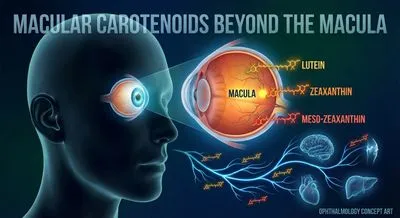
Les caroténoïdes maculaires agissent comme des filtres optiques et des antioxydants dans l'œil. En absorbant la lumière à courte longueur d'onde et...
Commencez votre test de champ visuel gratuit en moins de 5 minutes.
Commencer le testLa cognition regroupe l'ensemble des fonctions mentales qui permettent de penser, apprendre et agir dans la vie quotidienne. Elle inclut la mémoire, l'attention, le langage, la capacité de résoudre des problèmes et la gestion des émotions et des tâches complexes. Ces processus travaillent ensemble pour nous aider à suivre une conversation, planifier une journée ou prendre des décisions rapides. La cognition n'est pas figée : elle évolue avec l'âge, l'expérience, la santé physique et l'environnement. Un déclin léger peut survenir naturellement, mais des changements marqués peuvent indiquer une pathologie qui mérite une évaluation. La cognition compte énormément parce qu'elle détermine notre autonomie, nos relations sociales et notre capacité à travailler. Des facteurs comme le sommeil, l'alimentation, l'exercice, la stimulation mentale et la gestion du stress influencent directement ces fonctions. Traiter les problèmes de santé cardiovasculaire, l'hypertension ou le diabète peut aussi protéger la cognition sur le long terme. Il existe des stratégies simples pour la soutenir : apprendre de nouvelles compétences, rester socialement actif, rester physiquement en mouvement et maintenir une alimentation équilibrée. Si des troubles apparaissent, des bilans avec des professionnels permettent d'identifier les causes et de mettre en place des aides ou des traitements adaptés.