
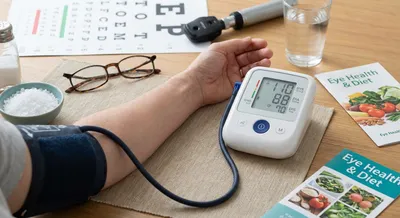
Sodium, Blood Pressure, and Ocular Perfusion: Dietary Salt in Glaucoma Care
For example, a major review found “strong relationships between low ocular perfusion pressure and open-angle glaucoma” – in population studies, eyes...
Deep research and expert guides on maintaining your visual health.
For example, a major review found “strong relationships between low ocular perfusion pressure and open-angle glaucoma” – in population studies, eyes...
Our visual field test is inspired by the perimetry methods eye care professionals use. Check for blind spots and track changes over time.
Test Your VisionNighttime hypotension means your blood pressure falls too low while you sleep. Normally blood pressure dips a bit at night as part of the body's rest cycle, but in this condition the drop is larger than expected or falls below safe levels. People with nighttime hypotension may not notice any symptoms while asleep, but it can cause dizziness, fainting, or confusion when they wake up or stand. Doctors usually detect it with a 24-hour blood pressure monitor that measures pressure at regular intervals through the night. Knowing about it matters because low blood pressure at night can reduce blood flow to vital organs like the brain, heart, and eyes, which may worsen existing health problems over time. Causes include taking blood pressure medicines at the wrong time, being dehydrated, problems with the autonomic nervous system, or other medical conditions that affect circulation. It can also be linked to sleep patterns and certain sleep disorders, so a sleep history is often part of the evaluation. Treatment often involves adjusting medication timing or dosage, improving fluid and salt balance when appropriate, and addressing any underlying conditions. Simple measures like getting up slowly, staying hydrated, and wearing compression stockings can help some people, but changes should be made under a doctor's guidance. If you suspect your blood pressure is dropping too low at night, asking for ambulatory monitoring is a good step so your healthcare provider can tailor the safest plan for you.