Visual Field Test Logo

Glaucoma progression

рдЖрдкрдХреЗ рджреГрд╖реНрдЯрд┐ рд╕реНрд╡рд╛рд╕реНрдереНрдп рдХреЛ рдмрдирд╛рдП рд░рдЦрдиреЗ рдХреЗ рд▓рд┐рдП рдЧрд╣рди рд╢реЛрдз рдФрд░ рд╡рд┐рд╢реЗрд╖рдЬреНрдЮ рдорд╛рд░реНрдЧрджрд░реНрд╢рд┐рдХрд╛рдПрдБред

рдЕрдкрдиреА рджреГрд╖реНрдЯрд┐ рдХреА рдЬрд╛рдВрдЪ рдХрд░рдиреЗ рдХреЗ рд▓рд┐рдП рддреИрдпрд╛рд░ рд╣реИрдВ?

5 рдорд┐рдирдЯ рд╕реЗ рдХрдо рд╕рдордп рдореЗрдВ рдЕрдкрдирд╛ рдореБрдлреНрдд рд╡рд┐рдЬрд╝реБрдЕрд▓ рдлрд╝реАрд▓реНрдб рдЯреЗрд╕реНрдЯ рд╢реБрд░реВ рдХрд░реЗрдВред

рдЕрднреА рдЯреЗрд╕реНрдЯ рд╢реБрд░реВ рдХрд░реЗрдВ

glaucoma progression

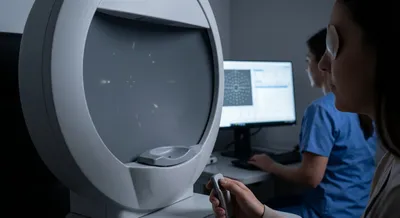
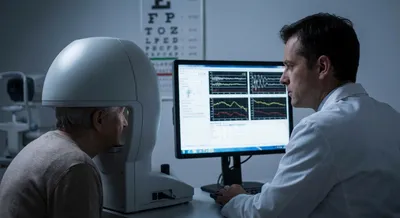
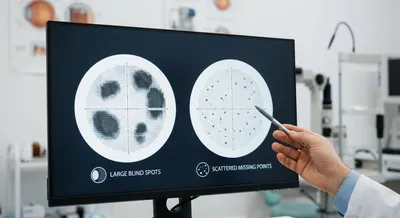
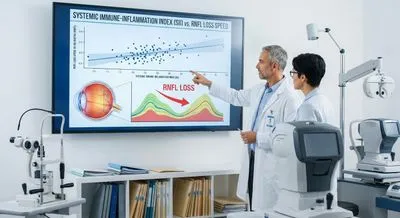
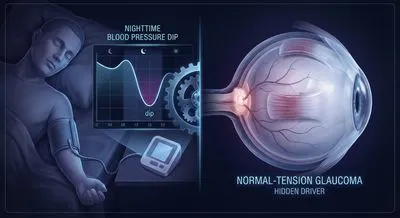
Glaucoma progression means the gradual worsening of damage to the optic nerve that carries visual information from the eye to the brain. In many cases this damage leads to loss of side vision first and can eventually affect central vision if not controlled. Progression is tracked with tests that measure visual fields and with imaging that looks at the nerve and retina, so doctors can see small changes over time. The course can be slow or relatively fast, and different people experience different rates of decline. Because early stages often have no noticeable symptoms, regular testing is important to catch progression before significant vision is lost. Factors such as eye pressure, blood flow to the eye, family history, and other health conditions can influence how quickly the condition advances. When progression is detected, doctors can change or intensify treatment to try to slow or stop further damage. The goal is to preserve as much vision and quality of life as possible, so monitoring and timely treatment decisions matter a great deal. Understanding progression helps people and their doctors make informed choices about follow-up, lifestyle steps, and therapies to protect sight.