
Fibrinogén
आपके दृष्टि स्वास्थ्य को बनाए रखने के लिए गहन शोध और विशेषज्ञ मार्गदर्शिकाएँ।
अपनी दृष्टि की जांच करने के लिए तैयार हैं?
5 मिनट से कम समय में अपना मुफ्त विज़ुअल फ़ील्ड टेस्ट शुरू करें।
अभी टेस्ट शुरू करेंfibrinogen
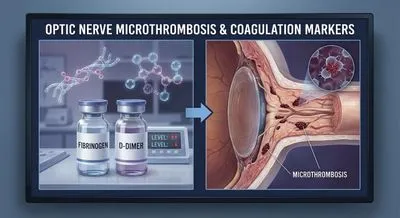
Fibrinogen is a protein made mainly by the liver that plays a central role in blood clotting. When an injury occurs, the body converts fibrinogen into fibrin, a thread-like material that weaves a mesh to form a stable blood clot and stop bleeding. Because it rises quickly when the body is inflamed or stressed, fibrinogen is also considered an acute-phase protein and can be a marker of inflammation. High levels of fibrinogen can make blood more likely to clot, increasing the risk of heart attack, stroke, or other clot-related problems, while very low levels can cause bleeding and make it hard to form effective clots. Doctors measure fibrinogen when they are investigating clotting problems, unexplained bleeding, or ongoing inflammation. Levels change with pregnancy, infections, certain chronic diseases, and some medications, so context matters when interpreting the result. Treatments to correct abnormal fibrinogen depend on the cause and may range from treating the underlying illness to giving clotting factor concentrates in bleeding cases. Knowing about fibrinogen helps people understand how the body stops bleeding and how problems with this protein can affect health.