
SCUBA Diving and Glaucoma: Pressure, Perfusion, and Post-Surgical Precautions
In practice, experienced divers avoid mask squeeze entirely and typically equalize early in each descent. It’s also recommended to use a low-volume...
Deep research and expert guides on maintaining your visual health.
In practice, experienced divers avoid mask squeeze entirely and typically equalize early in each descent. It’s also recommended to use a low-volume...

Before we dive in, let’s remember why eye pressure matters. Glaucoma is a group of eye conditions where high pressure or poor blood flow damages the...

Intraocular pressure (often simply called eye pressure) is the force created by fluid inside your eye () (). Your eyes constantly make a clear fluid...
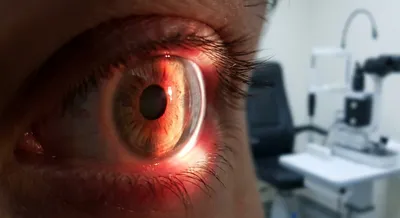
High pressure in the eye leads to irreversible vision loss if not relieved. In fact, studies show angle-closure glaucoma causes blindness far more...
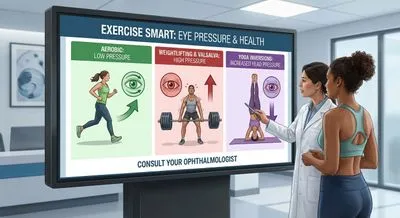
These spikes matter because sudden high IOP can strain the optic nerve and blood vessels in the eye. In fact, heavy straining has been linked to eye...

The reason has to do with eye fluid dynamics. Our eyes continuously produce a clear fluid (aqueous humor) that drains through a meshwork in the front...

After drinking coffee or another caffeinated drink, caffeine is rapidly absorbed – reaching peak blood levels in about 1–1.5 hours (). At doses of...
Visual field loss from conditions like glaucoma can go unnoticed. Start a free trial and screen for potential blind spots in minutes.
Eye pressure is the force of the fluid inside your eyeball pushing against its walls. Doctors usually measure it in millimeters of mercury using a quick office test, and it can go up or down over time. That pressure comes from a balance between fluid produced inside the eye and fluid drained away through tiny channels. If fluid builds up or drainage is blocked, the pressure rises; if production slows or drainage speeds up, pressure falls. You often cannot feel small changes in this pressure, so regular eye checks are important to detect problems early. High eye pressure is a major risk factor for damage to the optic nerve, which can slowly reduce vision without pain or obvious signs. Managing pressure can protect sight through medicines, laser procedures, or surgery that improve fluid flow or reduce its production. Some lifestyle factors, medicines, and health conditions can affect eye pressure, so doctors consider the whole picture when deciding treatment. Keeping scheduled eye exams and following your care plan is the best way to preserve vision if eye pressure is a concern.