

Does Diabetes Cause Glaucoma
Specifically, large epidemiologic studies and meta-analyses have found that people with diabetes carry roughly a 36–50% higher risk of developing...
Deep research and expert guides on maintaining your visual health.
Specifically, large epidemiologic studies and meta-analyses have found that people with diabetes carry roughly a 36–50% higher risk of developing...
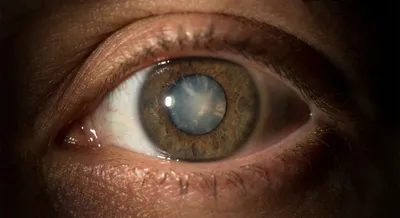
Early stage. In early glaucoma, most vision—especially central vision—is normal, so patients usually feel fine. The earliest signs are subtle blind...

Logically, such a diet is rich in antioxidant nutrients. Antioxidants (like vitamin C, vitamin E, and minerals such as zinc) neutralize harmful...

Metformin is a widely used diabetes medication that also activates AMP-activated kinase (AMPK), mimics calorie restriction, and can reduce cellular...
Screen your peripheral vision from home — no downloads, no waiting rooms. Sign up for a free trial and test in under 5 minutes.
Diabetic retinopathy is an eye disease that happens when high blood sugar from diabetes damages the tiny blood vessels in the retina, the light-sensitive layer at the back of the eye. Over time these damaged vessels can leak fluid, swell the retina, or close off, causing areas of poor blood flow; in advanced stages new, fragile vessels can grow and bleed into the eye. Symptoms may be mild at first or absent, then progress to blurry vision, floating spots, dark areas in the visual field, or sudden vision loss if bleeding or retinal detachment occurs. Doctors detect it with a dilated eye exam and imaging tests that reveal bleeding, swelling, and blood vessel changes. Tight control of blood sugar, blood pressure, and cholesterol is the foundation of preventing and slowing the disease, while treatments for vision-threatening stages include laser therapy, injections that reduce abnormal vessel growth or swelling, and surgery for severe bleeding. Regular screening is crucial because early stages can be treated before significant vision loss happens. It matters because diabetic retinopathy is a leading cause of vision impairment among working-age adults worldwide and can greatly reduce quality of life if left untreated. With good medical care and timely eye treatment, many people can maintain useful vision and reduce the risk of blindness.