
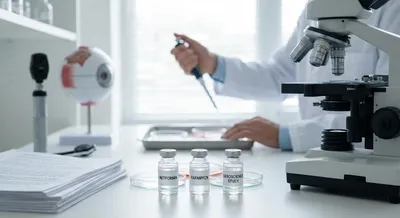
Metformin, rapamycin és geroscience gyógyszerek: Szemészeti eredmények
A metformin egy széles körben alkalmazott cukorbetegség-gyógyszer, amely aktiválja az AMP-aktivált kinázt (AMPK), utánozza a kalóriamegvonást, és...
Mélyreható kutatások és szakértői útmutatók a látásegészség fenntartásához.
A metformin egy széles körben alkalmazott cukorbetegség-gyógyszer, amely aktiválja az AMP-aktivált kinázt (AMPK), utánozza a kalóriamegvonást, és...
A vakfoltok gyakran fokozatosan alakulnak ki tünetek nélkül. Indítson ingyenes próbaverziót, és végezzen egy gyors látótérvizsgálatot, hogy időben észlelje a változásokat.
Tudja meg mostA geroscience az öregedés biológiájával foglalkozó tudományág, amely azt vizsgálja, miért növekszik az életkorral a betegségek és funkcióromlások kockázata. Ahelyett, hogy csak külön-külön kezeli az egyes betegségeket, azt kutatja, mely alapvető folyamatok vezetnek egyszerre több egészségügyi problémához. Ilyen alapfolyamatok például a sejtek öregedése, a gyulladás, a mitokondriális diszfunkció, a proteinek rossz hajtogatódása és a tápanyag-érzékelés változásai. A cél az, hogy ezekre a közös mechanizmusokra irányuló beavatkozásokkal egyszerre több betegséget késleltessünk vagy megelőzzünk. Ez a megközelítés lehetővé teszi például olyan kezelések keresését, amelyek javítják az általános életerőt és életminőséget, nem csupán egyetlen tünetet. A kutatások gyógyszereket, életmódbeli változtatásokat és genetikai módszereket is vizsgálnak, hogy melyik hogyan befolyásolja a hosszú távú egészséget. Fontos szempont a biztonság és az etika: mivel a célja az egészséges élettartam növelése, figyelembe kell venni a hozzáférhetőséget és a hosszú távú kockázatokat. A geroscience hozzájárulhat ahhoz, hogy kevesebb legyen az öregedéssel összefüggő kórházi ellátás és javuljon az idősek életminősége. Emellett segít új biomarkereket és klinikai vizsgálati módszereket kidolgozni, amelyek mérni tudják, hogy valóban lassulnak-e az öregedési folyamatok. Röviden, a geroscience azt a lehetőséget kínálja, hogy az orvostudomány a hosszú, egészséges élet felé forduljon, nem csupán a betegségek külön-külön történő kezelésére.