
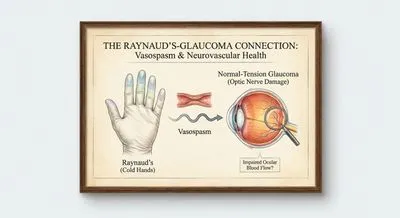
Vasospasm, Külmad Käed ja Normaalse Rõhuga Glaukoom: Raynaud' seos
Raynaud’ fenomen on seisund, kus külm või stress põhjustab sõrmede ja varvaste väikeste arterite spasme ja vereringe peatumist (muutes naha esmalt...
Põhjalikud uuringud ja ekspertide juhendid silmade tervise hoidmiseks.
Raynaud’ fenomen on seisund, kus külm või stress põhjustab sõrmede ja varvaste väikeste arterite spasme ja vereringe peatumist (muutes naha esmalt...
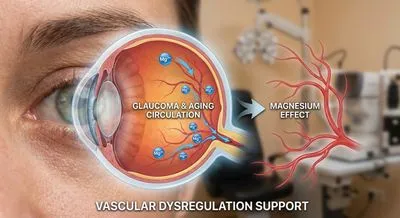
Magneesium mõjutab veresooni ja endoteeli funktsiooni mitmel moel:
Pimekohad arenevad sageli järk-järgult ilma sümptomiteta. Alustage tasuta prooviperioodi ja tehke kiire vaatevälja test, et märgata muutusi varakult.
Uuri koheVasospasm on olukord, kus veresoonte silelihas tõmbub kokku ja veresoon kitseneb. See kitsenemine vähendab verevoolu sinna kehaossa, mida see veresoon varustab. Vasospasm võib juhtuda erinevates elundites, näiteks ajus, südames või silmas, ning selle mõju sõltub sellest, millist piirkonda mõjutatakse. Kui hapnikurikast verd ei jõua elundisse piisavalt, võib see põhjustada valu, funktsiooni langust või isegi koe kahjustust. Põhjused võivad olla erinevad, näiteks põletik, veresoonte ärritus, teatud ravimid või närvi signaalide muutused. Diagnoosimiseks kasutatakse pildiuuringuid ja verevoolu mõõtmisi, mis aitavad tuvastada, kus ja kui tugev kitsenemine on. Ravi sõltub põhjusest ja raskusastmest ning võib hõlmata ravimeid, mis lõdvestavad veresoonte silelihast või parandavad verevoolu. Mõnel juhul on vaja ka kiiret meditsiinilist sekkumist, et vältida pöördumatut kahjustust. Varajane avastamine ja õige ravi võivad vähendada tüsistuste riski ning taastada normaalse verevarustuse.