
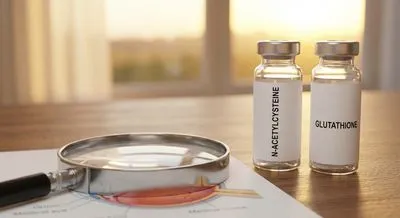
N-Acetylcysteine và Glutathione: Tăng Cường Khả Năng Chống Oxy Hóa Cho Mắt Lão Hóa
NAC là một nguồn cysteine tan trong lipid đi qua màng tế bào và nhanh chóng được chuyển đổi thành cysteine, khối xây dựng giới hạn tốc độ để tổng hợp...
Nghiên cứu sâu và hướng dẫn chuyên gia về việc duy trì sức khỏe thị giác của bạn.
NAC là một nguồn cysteine tan trong lipid đi qua màng tế bào và nhanh chóng được chuyển đổi thành cysteine, khối xây dựng giới hạn tốc độ để tổng hợp...
Các điểm mù thường phát triển dần dần mà không có triệu chứng. Bắt đầu dùng thử miễn phí và thực hiện bài kiểm tra thị trường nhanh để phát hiện những thay đổi sớm.
Tìm hiểu NgayN-acetylcysteine là một hợp chất được chế biến từ axit amin cysteine, và nó thường được dùng như một chất bổ sung hoặc thuốc hỗ trợ. Khi vào cơ thể, nó giúp cung cấp nguyên liệu cần thiết để tạo ra glutathione, một chất chống oxy hóa quan trọng trong tế bào. Do khả năng làm tan đờm, N-acetylcysteine cũng được dùng trong bệnh hô hấp để giúp long đờm và làm thông thoáng đường thở. Trong y khoa cấp cứu, nó còn là thuốc giải độc trong trường hợp ngộ độc paracetamol vì khả năng phục hồi lượng glutathione bị cạn kiệt. Vì đóng vai trò trong việc tăng cường khả năng chống oxy hóa, N-acetylcysteine được nghiên cứu để hỗ trợ sức khỏe tim mạch, chức năng gan, và sức khỏe thần kinh trong một số tình huống. Nó có thể giúp giảm tổn thương do stress oxy hóa và viêm, nhưng hiệu quả phụ thuộc vào liều lượng và hoàn cảnh cụ thể. Nhìn chung, N-acetylcysteine là một công cụ y học hữu ích và tương đối an toàn khi dùng đúng hướng dẫn, nhưng vẫn cần thận trọng với tác dụng phụ và tương tác thuốc.