
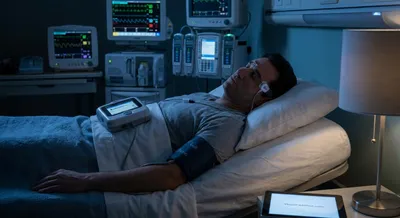
Nocturnal hypotension, sleep apnea, and ocular perfusion: continuous monitoring studies
Importantly, body position and sleep also matter. Normally, when you lie down, intraocular pressure (IOP) tends to rise (by 10–20%) because eye fluid...
Deep research and expert guides on maintaining your visual health.
Importantly, body position and sleep also matter. Normally, when you lie down, intraocular pressure (IOP) tends to rise (by 10–20%) because eye fluid...

For example, activated microglia are known to release TNF-α and IL-1β which can trigger retinal ganglion cell death. Studies in animal models and...
Blind spots often develop gradually without symptoms. Start a free trial and take a quick visual field test to spot changes early.
Find Out NowSleep apnea is a sleep disorder where breathing repeatedly stops and starts during the night. The most common form happens when the throat muscles relax and block the airway, causing noisy snoring and brief gaps in breathing. People with this condition may wake gasping or choking, wake frequently, or experience very poor sleep quality without realizing it. Daytime symptoms often include excessive sleepiness, trouble concentrating, morning headaches, and mood changes. Risk factors include excess weight, a large neck circumference, older age, certain facial features, and alcohol or sedative use before bed. Untreated sleep apnea raises the risk of high blood pressure, heart problems, stroke, insulin resistance, and accidents from drowsy driving. Doctors diagnose it with sleep studies that monitor breathing, oxygen levels, and sleep stages, either in a lab or with home testing devices. Effective treatments include continuous positive airway pressure (CPAP) machines that keep the airway open, custom-made mouthpieces that reposition the jaw, weight loss, and sometimes surgery. Lifestyle changes such as losing weight, avoiding alcohol before bed, and sleeping on your side can also help reduce symptoms. Recognizing and treating sleep apnea can dramatically improve daytime energy, mood, and long-term health, so it is important to seek medical evaluation if you or a partner notice signs.