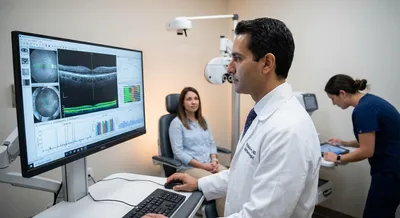
Precision medicine means tailoring medical care to the individual characteristics of each person, like their genes, environment, and lifestyle. Instead of one-size-fits-all treatments, it aims to choose the right prevention, diagnosis, or therapy for the right person at the right time. Doctors use information such as genetic test results, medical history, and sometimes data from wearables to make more informed decisions. This approach can increase the chances that a treatment will work and reduce the risk of harmful side effects. It also helps identify people who are at higher risk for certain diseases so they can take early action. Precision medicine matters because it can make care more effective, safer, and often more efficient by avoiding trial-and-error prescriptions. It is already changing how some cancers and rare genetic conditions are treated, and it is expanding into common chronic diseases. There are challenges, including the need for large, diverse data sets, concerns about privacy, and ensuring fair access for everyone. As these issues are addressed, precision medicine has the potential to improve health outcomes for many people.