
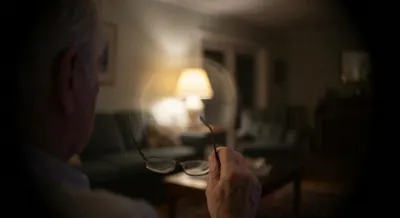
What Are the Symptoms of Glaucoma
As POAG progresses, symptoms emerge only gradually. Patients may describe difficulty discriminating contrast, or an unusual glare or halo around...
Deep research and expert guides on maintaining your visual health.
As POAG progresses, symptoms emerge only gradually. Patients may describe difficulty discriminating contrast, or an unusual glare or halo around...
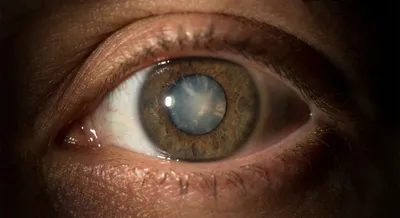
Early stage. In early glaucoma, most vision—especially central vision—is normal, so patients usually feel fine. The earliest signs are subtle blind...
Our visual field test is inspired by the perimetry methods eye care professionals use. Check for blind spots and track changes over time.
Test Your VisionOpen angle glaucoma is the most common form of glaucoma and develops slowly over time. In this condition, the drainage angle inside the eye remains open, but the microscopic drainage channels become less efficient. That inefficiency lets fluid build up and causes eye pressure to rise, which can slowly damage the optic nerve. Because the disease progresses gradually, many people have no symptoms at first and may not notice vision changes until damage is advanced. Early signs often involve a loss of peripheral vision, which can be detected with a visual field test before a person experiences trouble seeing in daily life. An eye care professional diagnoses open angle glaucoma with measurements of eye pressure, optic nerve examination, and visual field testing. Treatment aims to lower pressure using medicated eye drops, laser procedures that improve drainage, or surgical options when needed. Following treatment closely and taking medications as prescribed can slow or prevent further vision loss, but lost nerve tissue does not grow back. Regular eye checkups are important because early detection greatly improves the chance of keeping useful vision.