

If One Person in the Family Has Glaucoma, Should Everyone Else Get Checked?
In practical terms, this means that if you learn a family member has glaucoma, doctors advise that other first-degree relatives – especially siblings...
Deep research and expert guides on maintaining your visual health.
In practical terms, this means that if you learn a family member has glaucoma, doctors advise that other first-degree relatives – especially siblings...
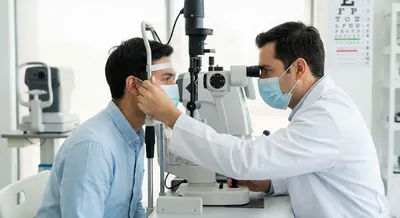
Regular comprehensive eye exams are critical because glaucoma damage is often silent until it is advanced. By getting an exam early (a “baseline”...
Blind spots often develop gradually without symptoms. Start a free trial and take a quick visual field test to spot changes early.
Find Out NowThis phrase means that glaucoma runs in your family, and relatives—especially parents, siblings, or children—have had the condition. A family history is one of the strongest risk factors for glaucoma because certain forms of the disease have a genetic component that raises the chance you will develop it. If a close relative has glaucoma, your risk can be several times higher than someone without affected family members, and you may develop the condition earlier. Knowing about this inheritance pattern matters because glaucoma often has no early symptoms, so people at higher risk need regular, comprehensive eye exams to catch changes before significant vision loss occurs. Eye doctors may recommend more frequent screening, earlier testing, or genetic counseling when there is a strong family history. Sharing family health information with relatives can help others get screened sooner and potentially preserve their vision. While you can’t change your genes, being aware of your family background lets you take practical steps—like following treatment plans, managing blood pressure, and avoiding risky activities—to lower harm. Early detection through screening and careful follow-up is the most important way to reduce vision loss when family history increases risk. Communicating openly with your healthcare providers and family members makes it easier to act early and protect sight.