
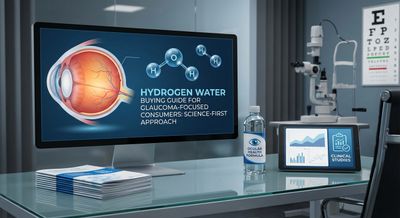
Antioxidant
การวิจัยเชิงลึกและคู่มือผู้เชี่ยวชาญเกี่ยวกับการรักษาสุขภาพสายตาของคุณ
antioxidant
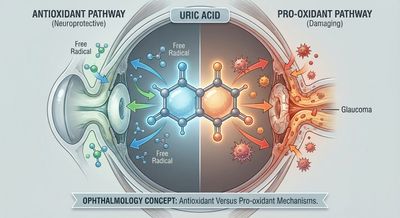
An antioxidant is any substance that helps prevent or slow damage to cells caused by unstable molecules called free radicals. Free radicals are produced naturally when the body makes energy, when it responds to infection, or when it is exposed to things like cigarette smoke and sunlight. Antioxidants neutralize these unstable molecules by donating an electron or by helping chemical reactions run more safely, which reduces the chain reactions that can harm proteins, fats, and DNA. The body makes some antioxidants on its own, such as glutathione, and many important antioxidants come from food, like vitamin C, vitamin E, and plant pigments called flavonoids. Antioxidants matter because oxidative damage is linked to aging and many chronic conditions, including heart disease, certain cancers, and eye disorders. Eating a varied diet rich in fruits, vegetables, nuts, and whole grains is the safest way to get a range of antioxidants. Supplements are available and can help in specific situations, but they are not a cure-all and sometimes can be harmful in high doses. Scientists continue to study how best to boost antioxidant defenses for health without upsetting the body's natural balance.