
Home Tonometry and Remote Monitoring in Glaucoma – A Patient-Centered Investigation
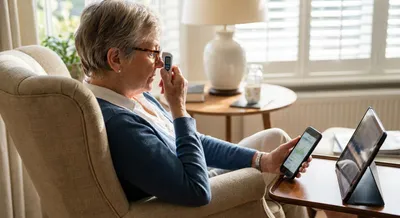
The main type of home tonometer approved for patients is the rebound tonometer. Instead of the clinic “puff” or a weighted cuff, a rebound tonometer...
Deep research and expert guides on maintaining your visual health.
The main type of home tonometer approved for patients is the rebound tonometer. Instead of the clinic “puff” or a weighted cuff, a rebound tonometer...
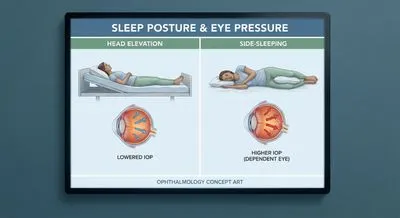
When you lie on your side, gravity and blood flow tend to increase pressure in the dependent eye – the one on the pillow side. In other words, your...
Blind spots often develop gradually without symptoms. Start a free trial and take a quick visual field test to spot changes early.
Find Out NowHome tonometry means measuring the pressure inside your eye using a small device outside of a clinic. That internal pressure is called intraocular pressure, and high levels over time can damage the optic nerve and affect vision. At-home devices use simple methods such as a gentle puff of air or a tiny probe that briefly touches the eye to estimate that pressure. They are made for convenience so people can check their numbers between doctor visits and capture readings at different times of the day. Regular home readings can reveal pressure changes that a single clinic visit might miss, and sharing these patterns with your eye doctor can help guide treatment decisions for conditions like glaucoma. However, home measurements are not a full replacement for professional exams because accuracy depends on correct technique, device quality, and calibration. Learning to use the device properly and understanding its limits is important to avoid misinterpreting results. Discuss with your eye care professional whether a home device is appropriate, how to record measurements, and how to integrate them into your care plan. Cost and insurance coverage vary, so consider those practical aspects before buying one.