
Inflammation
Grundig forskning og ekspertguider for å opprettholde synshelsen din.
inflammation
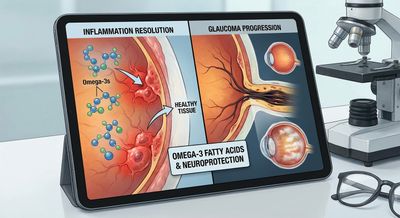
Inflammation is the body’s natural response to injury, infection, or harmful stimuli, designed to protect and begin the healing process. When a threat is detected, the immune system sends white blood cells, signaling molecules, and increased blood flow to the affected area, which causes common signs like redness, warmth, swelling, pain, and sometimes loss of function. This short-term form, known as acute inflammation, is usually helpful because it isolates and removes the cause, clears damaged cells, and starts tissue repair. Problems arise when inflammation becomes chronic and persists for months or years; chronic inflammation can slowly damage healthy tissue and is linked to diseases such as arthritis, heart disease, diabetes, and some neurological conditions. Both immune cells and chemical messengers called cytokines play central roles in creating and resolving inflammation, so balance is critical. Controlling inflammation matters because it influences recovery, long-term health, and quality of life. Lifestyle factors like diet, sleep, and exercise, along with medications when needed, can reduce harmful inflammation and support the body’s ability to resolve it naturally. Understanding when inflammation is protective versus when it is harmful helps guide treatment and prevention strategies.