
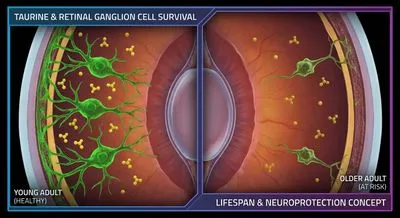
Taurin und das Überleben retinaler Ganglienzellen über die gesamte Lebensspanne
Taurin spielt über seine Rolle als Nährstoff hinaus wichtige zelluläre Funktionen. In der Netzhaut fungiert es als organisches Osmolyt, das Zellen...
Tiefgehende Forschung und Expertenratgeber zur Erhaltung Ihrer Sehgesundheit.
Taurin spielt über seine Rolle als Nährstoff hinaus wichtige zelluläre Funktionen. In der Netzhaut fungiert es als organisches Osmolyt, das Zellen...
Verfolgen Sie Veränderungen des peripheren Sehens zwischen den Augenarztbesuchen. Starten Sie Ihre kostenlose Testversion und erhalten Sie Ergebnisse in unter 5 Minuten.
Osmoregulation beschreibt, wie Lebewesen den Wasser- und Salzgehalt ihres Inneren kontrollieren, damit Zellen richtig funktionieren. Durch Osmose wandert Wasser über Zellmembranen, und der Körper nutzt Ionenkanäle, Transporter und Hormone, um diesen Fluss zu steuern. Bei Tieren übernehmen zum Beispiel Nieren, Haut oder Kiemen wichtige Aufgaben, indem sie gezielt Salz ausscheiden oder zurückhalten. Auf zellulärer Ebene sorgen Pumpen wie die Natrium-Kalium-ATPase dafür, dass die Konzentrationen von Natrium, Kalium und anderen Teilchen stabil bleiben. Eine gut funktionierende Regulation verhindert, dass Zellen zu stark schrumpfen oder platzen, und erhält so normale Stoffwechselprozesse und elektrische Signale in Nerven und Muskeln. Störungen der Osmoregulation führen zu Dehydratation, Ödemen oder Störungen des Blutdrucks und erfordern oft medizinische Behandlung. Auch für Tiere in unterschiedlichen Lebensräumen, etwa Süß- oder Salzwasser, ist diese Fähigkeit entscheidend für das Überleben. Verstehen, wie Osmoregulation funktioniert, hilft bei der Behandlung von Erkrankungen und bei der Pflege von Pflanzen und Tieren in Landwirtschaft und Aquaristik.