
How to Prevent Glaucoma
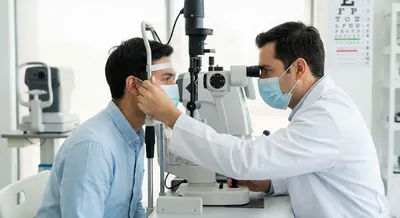
Regular comprehensive eye exams are critical because glaucoma damage is often silent until it is advanced. By getting an exam early (a “baseline”...
Deep research and expert guides on maintaining your visual health.
Regular comprehensive eye exams are critical because glaucoma damage is often silent until it is advanced. By getting an exam early (a “baseline”...
This phrase describes how physical activity influences the risk and course of glaucoma, a group of eye conditions that can damage the optic nerve. Regular moderate aerobic exercise, like brisk walking, swimming, or cycling, tends to lower pressure inside the eye and improve blood flow to the optic nerve, which can help slow disease progression. Not all exercise has the same effect: activities that involve heavy straining, holding the breath, or inverted positions can temporarily raise eye pressure and might be risky for some people. The benefits of exercise extend beyond eye pressure; better cardiovascular fitness and healthy blood pressure support overall eye health. Because individual responses vary, people with glaucoma should check with their eye doctor before starting or changing an exercise routine. Your clinician can suggest safe activities and may recommend monitoring eye pressure before and after certain workouts. Consistency matters: regular gentle activity is more helpful than infrequent intense sessions. Exercise also supports weight control, mood, and sleep, which indirectly affect eye health. Staying active is a practical, low-cost part of managing glaucoma risks, but it should be one piece of a broader plan that includes medication, monitoring, and regular eye exams. Always balance the potential benefits with personalized medical advice to protect your vision.