
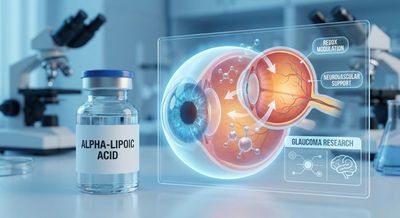
Oxidative stress
การวิจัยเชิงลึกและคู่มือผู้เชี่ยวชาญเกี่ยวกับการรักษาสุขภาพสายตาของคุณ
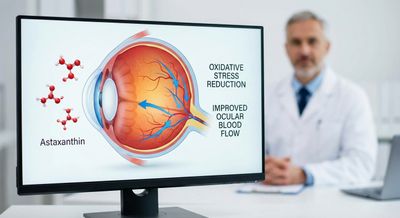
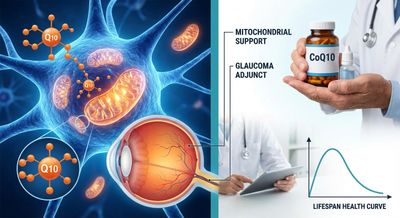
oxidative stress
Oxidative stress happens when reactive molecules—often called free radicals—are produced faster than the body can neutralize them with antioxidants. These reactive molecules are a normal byproduct of metabolism, especially inside the cell’s energy factories, but when they build up they can damage DNA, proteins, and lipids. Antioxidant enzymes and nutrients help neutralize reactive species, but if the balance tips toward excess reactivity, cells can suffer from oxidative stress and lose normal function. This state can trigger inflammation, impair cell signaling, and in severe cases cause cell death. Oxidative stress matters because it contributes to aging and to many common diseases such as heart disease, neurodegenerative disorders, and inflammatory conditions. Lifestyle factors like diet, smoking, pollution exposure, and physical activity influence how much oxidative stress a person experiences. Scientists study oxidative stress to find ways to strengthen the body’s defenses and develop therapies that restore balance. It’s important to note that some reactive molecules also serve useful signaling roles, so the goal of research and treatment is to reestablish a healthy balance rather than eliminate reactive species entirely.