
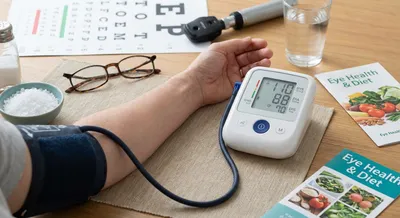
Sodium, Blood Pressure, and Ocular Perfusion: Dietary Salt in Glaucoma Care
For example, a major review found “strong relationships between low ocular perfusion pressure and open-angle glaucoma” – in population studies, eyes...
Deep research and expert guides on maintaining your visual health.
For example, a major review found “strong relationships between low ocular perfusion pressure and open-angle glaucoma” – in population studies, eyes...

Platelets are small, disk-shaped cells in your blood that stop bleeding by clumping together to form clots. When your blood vessels or endothelium...
Visual field loss from conditions like glaucoma can go unnoticed. Start a free trial and screen for potential blind spots in minutes.
Cardiovascular risk describes the chance that a person will develop problems with their heart or blood vessels, such as heart attack or stroke, over a certain period of time. That chance depends on a mix of factors you cannot change, like your age and family history, and things you can change, like smoking, high blood pressure, high cholesterol, diabetes, diet, and physical activity. Doctors often use calculators that combine these factors to estimate a person’s short- or long-term risk and to decide how aggressive treatment should be. Knowing your risk matters because it helps guide choices about lifestyle changes and medications that can greatly lower the chance of a dangerous event. Simple steps like quitting smoking, eating a healthier diet, moving more, and managing weight and blood pressure can reduce risk significantly. Tests such as blood pressure checks and certain blood tests give information used to refine the estimate and to track progress. Even small improvements in risk factors can add up to meaningful protection over time. Talking openly with your doctor about your risk helps set realistic goals and a plan you can stick with. The goal is to prevent heart and vessel problems before they happen, not just treat them after they do.