
قياس توتر العين المنزلي والمراقبة عن بعد في الجلوكوما – تحقيق يتمحور حول المريض
النوع الرئيسي من مقاييس توتر العين المنزلية المعتمدة للمرضى هو مقياس توتر العين الارتدادي. بدلاً من 'نفخة الهواء' في العيادة أو طوق ثقيل، يستخدم...
Grundig forskning og ekspertguider for å opprettholde synshelsen din.
النوع الرئيسي من مقاييس توتر العين المنزلية المعتمدة للمرضى هو مقياس توتر العين الارتدادي. بدلاً من 'نفخة الهواء' في العيادة أو طوق ثقيل، يستخدم...
El principal tipo de tonómetro casero aprobado para pacientes es el tonómetro de rebote. En lugar del “soplo” de la clínica o un manguito ponderado,...
Основним типом домашнього тонометра, дозволеного для пацієнтів, є рикошетний тонометр. Замість клінічного «повітряного поштовху» або вагового...
Jenis tonometer rumah utama yang disetujui untuk pasien adalah tonometer pantul (rebound tonometer). Alih-alih 'embusan' di klinik atau manset...
Основной тип домашнего тонометра, одобренный для использования пациентами, — это ребаунд-тонометр. Вместо «воздушного потока» в клинике или...
Le principal type de tonomètre à domicile approuvé pour les patients est le tonomètre à rebond. Au lieu de la « bouffée d'air » en clinique ou d'un...
เครื่องวัดความดันลูกตาที่บ้านประเภทหลักที่ได้รับการอนุมัติให้ผู้ป่วยใช้คือ เครื่องวัดความดันลูกตาแบบรีบาวด์ (rebound tonometer) แทนที่จะเป็นการ...
O principal tipo de tonômetro domiciliar aprovado para pacientes é o tonômetro de rebote. Em vez do “sopro” da clínica ou de um manguito ponderado,...
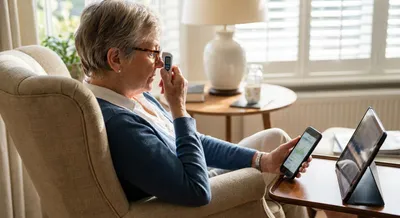
The main type of home tonometer approved for patients is the rebound tonometer. Instead of the clinic “puff” or a weighted cuff, a rebound tonometer...
iCare HOME is a small, handheld medical device designed for people to measure the pressure inside their eyes by themselves. It uses a gentle, quick measurement method that does not require numbing drops, and it records the pressure value for later review. The device is intended for use outside the clinic so users can take readings at different times of day and during normal activities, capturing natural fluctuations that a single clinic measurement might miss. Results are stored on the device or can be shared with a clinician, creating a pattern of measurements over days or weeks. This pattern helps clinicians understand how eye pressure changes throughout the day and whether treatments are working. The device matters because more frequent, real-world measurements can improve treatment decisions and help detect changes earlier. People usually need brief training and practice to get consistent, reliable readings, and some may find positioning or comfort challenging. There are also considerations like the cost of the device, the need for occasional maintenance or calibration, and how data are transmitted and protected. For many users, however, it offers a practical way to be more involved in monitoring their eye health between clinic visits.