
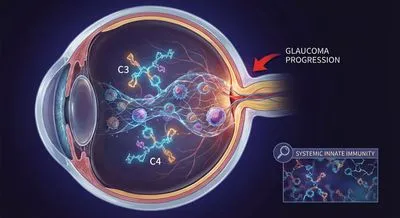
Komplement fehérjék C3 és C4: szisztémás veleszületett immunitás és a glaukóma progressziója
A komplement rendszer a veleszületett immunitás része – a szervezet gyors, nem specifikus védelme a fertőzések vagy károsodások ellen. A komplement...
Mélyreható kutatások és szakértői útmutatók a látásegészség fenntartásához.
A komplement rendszer a veleszületett immunitás része – a szervezet gyors, nem specifikus védelme a fertőzések vagy károsodások ellen. A komplement...
Kövesse nyomon a perifériás látás változásait a szemészorvosi látogatások között. Indítsa el ingyenes próbaverzióját, és kapjon eredményeket kevesebb mint 5 perc alatt.
Az SII index a szervezet általános gyulladásos és immunológiai állapotát próbálja egyszerű vérparaméterekből megragadni; a számításhoz a vérlemezkék, a neutrofilek és a limfociták számát használják. Konkrétan úgy számolják ki, hogy a vérlemezkék számát megszorozzák a neutrofilek számával, majd elosztják a limfociták számával. Ez az egyetlen érték egyszerre tükrözi a gyulladás erősségét és az adaptív védekezés helyzetét, mert a neutrofilek és a vérlemezkék emelkedése gyulladást jelez, míg a limfociták relatív csökkenése a védekezés gyengülését mutathatja. Az indexet gyakran használják betegségek prognózisának becslésére, kockázatstratifikálásra és követésre különböző területeken, például onkológiában vagy szív- és érrendszeri betegségekben. Előnye, hogy a szükséges adatok a rutinszerű vérkép vizsgálatból rendelkezésre állnak, így könnyen és olcsón kiszámítható. Ugyanakkor fontos tudni, hogy nem specifikus: sok tényező, mint fertőzés, gyógyszerek vagy krónikus betegségek befolyásolhatják az értéket. Ezért az SII-t mindig a beteg teljes klinikai képével együtt kell értelmezni, és nem önmagában hoznak döntést kezelésről csak ezen szám alapján.