

What’s New in Glaucoma Research in April 2026? What Patients Should Know
What the study found: A new research report suggests that tiny leaks in tiny blood vessels in the eye may contribute to glaucoma damage. In simple...
Deep research and expert guides on maintaining your visual health.
What the study found: A new research report suggests that tiny leaks in tiny blood vessels in the eye may contribute to glaucoma damage. In simple...
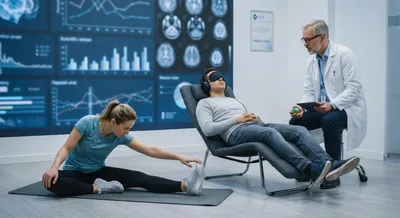
Researchers are interested in lifestyle factors because glaucoma involves more than just eye pressure. Things like poor blood flow, stress, or low...
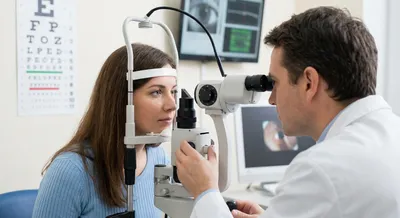
Goldmann Applanation Tonometry (GAT) is the gold standard for IOP measurement. () In this test, a tiny probe gently flattens (“applanates”) the...
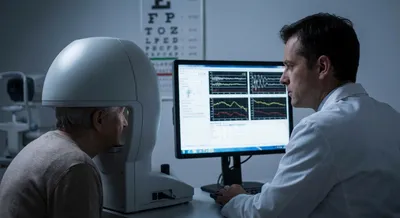
Most glaucoma guidelines stress frequent monitoring, especially soon after diagnosis. For example, expert recommendations suggest newly diagnosed...
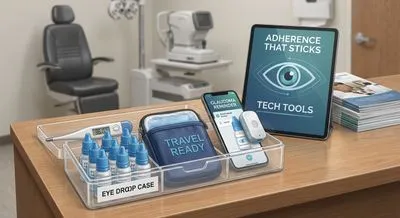
The key to taking glaucoma drops regularly is tying them to habits you already do. For example, put your eye drops next to your toothbrush or coffee...
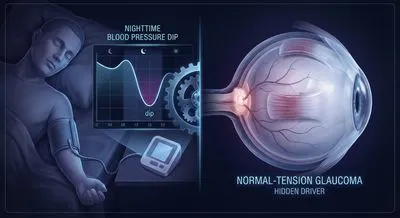
OPP is like the eye’s blood “fuel”. When systemic blood pressure (the “pump”) falls or eye pressure (“back pressure”) rises, OPP drops. Decades of...
Our visual field test is inspired by the perimetry methods eye care professionals use. Check for blind spots and track changes over time.
Test Your VisionPatient education is the process where health professionals explain medical conditions, treatments, and self-care steps to people so they can take part in their own health. It includes simple explanations about diagnoses, how medicines work, what side effects to watch for, and when to seek help. Education can happen in a clinic visit, at the bedside, through printed handouts, videos, or online portals. A key part is checking that the person actually understands — for example by asking them to repeat the plan in their own words. Good communication takes into account a person’s background, language, health literacy, and personal preferences. Patient education matters because people who understand their care tend to follow treatment plans better and have fewer complications. It can reduce unnecessary trips to the emergency room, lower hospital readmissions, and improve long-term outcomes for chronic conditions. Education also helps people make informed choices and feel more confident and in control of their health. When information is clear and tailored to each person, it increases safety by preventing medication errors and missed follow-up appointments. Simple steps like using plain language, visual aids, and follow-up checks make education more effective and respectful of each person’s needs.