
Neuroprotection
بحث عميق وأدلة خبراء حول الحفاظ على صحتك البصرية.

neuroprotection
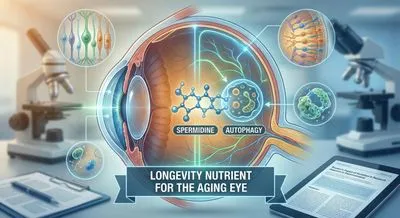
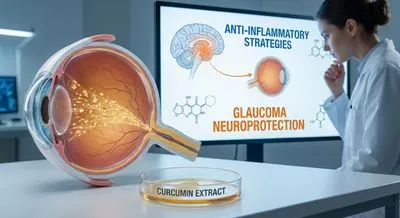
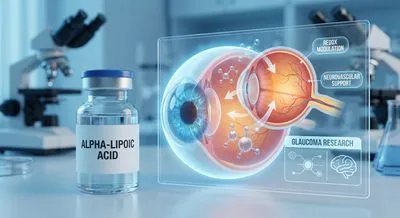
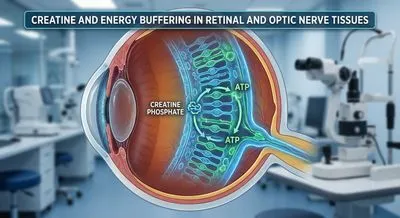
Neuroprotection refers to strategies and treatments meant to protect nerve cells from damage, slow their degeneration, or help them recover after injury. In the context of the eye, it means trying to keep retinal ganglion cells and the optic nerve healthy so vision is preserved even when other risk factors, like eye pressure, are present. Approaches to neuroprotection include drugs that reduce harmful chemical reactions, improve energy production in cells, reduce inflammation, or boost blood flow and oxygen delivery to nerve tissue. Lifestyle measures, such as good cardiovascular health, healthy diet, and avoiding smoking, also support nerve health. Scientists are testing many ideas for neuroprotection, from medications and nutritional supplements to devices and gene therapies, but evidence varies and research is ongoing. Neuroprotection matters because once nerve cells are lost, they do not regrow easily, so preventing damage is often the best way to preserve function. In conditions where standard treatments do not fully stop progression, adding neuroprotective strategies could help maintain vision or slow decline. Discussing neuroprotection with a healthcare provider can help people understand realistic expectations and available options for protecting nerve health.